Specialist Construction Fields
A specialist shipyard integrates the vessel around a task. The evidence must follow that task rather than rely on a general claim to advanced engineering.
Naval programmes require role clarity
Naval shipbuilding combines a seaworthy platform with mission-specific systems and government-defined requirements. The hull builder, combat-system supplier, design authority and programme integrator may be different organisations. Public reporting often compresses those roles into one company name, so a careful reader should restore the distinctions before assessing capability.
BAE Systems’ Govan and Scotstoun facilities on the River Clyde are associated with surface-warship construction and integration. Navantia’s Ferrol activities provide another important surface-ship reference in Spain. These examples show why the location and programme role matter: constructing hull units, integrating equipment and conducting final commissioning are related but not identical achievements.
Government contracts can also involve work shared among multiple sites. A company participating in a programme is not necessarily the builder of every section or the owner of every design element. When public evidence is incomplete, state that limitation rather than filling the gap with an inference based on corporate reputation.
This sheet discusses publicly documented industrial roles only. It does not assess weapons performance, classified characteristics or suitability for defence procurement.
Submarine work is a separate specialism
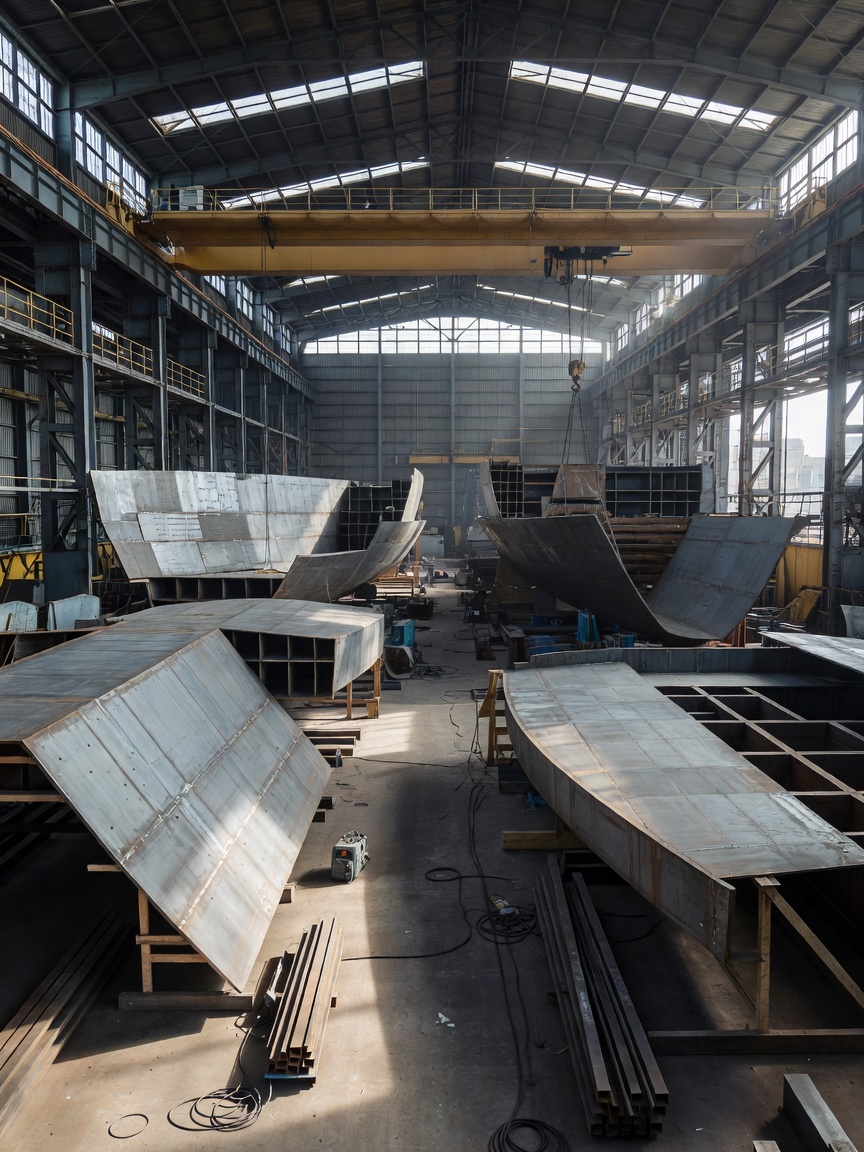
Submarine construction should not be grouped casually with surface-ship work. Pressure-hull integrity, tightly constrained arrangements and specialised verification create a distinct industrial discipline. A surface-warship delivery does not establish experience in building a submarine, even when the parent group participates in both markets.
Naval Group’s Cherbourg site in France is associated with submarine construction. Navantia’s Cartagena facility in Spain also has a submarine-building role. The useful statement is site-specific and bounded: these are documented locations associated with that field. It is not a claim that all facilities belonging to either group perform equivalent work.
Public sources may describe a programme’s milestones without revealing the full industrial arrangement. A launch announcement, for example, does not by itself demonstrate completion of testing or operational acceptance. Apply the same project-status distinctions used for commercial vessels, while recognising that some details may legitimately remain outside the public record.
For general readers, the main lesson is methodological: narrower categories produce more accurate profiles than a single broad label such as “naval builder.”
Offshore and workboats follow the mission
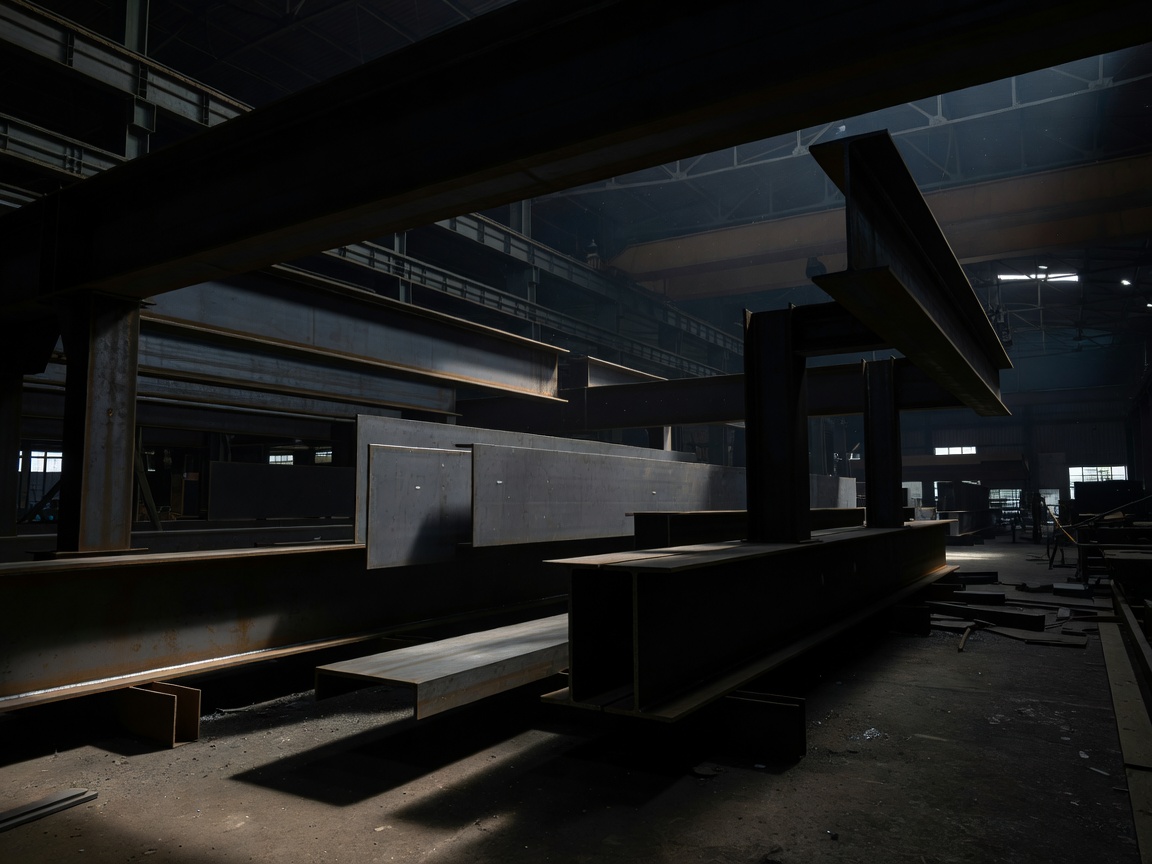
Offshore construction vessels, service vessels, tugs and dredgers are often defined by equipment that performs work rather than carries ordinary cargo. A crane, towing arrangement, dredging system or mission deck can shape stability, electrical demand, structural reinforcement and operational procedures. The shipyard’s integration experience therefore deserves as much attention as the hull form.
Damen’s public portfolio offers examples across tugs, workboats and dredging-related vessels. These categories remain distinct: a tug reference does not prove capability for every dredging mission, and a network-wide portfolio does not identify the particular building yard. Follow the reference to the project and location before drawing a conclusion.
Dynamic positioning, when specified, is another integration topic rather than a universal badge of offshore capability. Its suitability depends on the vessel’s role, equipment architecture, redundancy requirements and applicable verification. The presence of a system name in a brochure is not a complete description of the delivered configuration.
Likewise, a specialist deck arrangement may come from a supplier or partner. A useful profile records who designed, supplied, installed and tested the critical equipment where those roles are publicly documented.
- Naval surface vesselsSeparate platform construction, mission-system supply and programme integration.
- SubmarinesSeek site-specific references; do not infer capability from surface-ship experience.
- Offshore vesselsRead deck equipment, operating mission and power requirements together.
- Tugs and workboatsMatch the documented propulsion and working arrangements to the intended service.
Repair and conversion need their own evidence
A repair yard can possess substantial docks, cranes and skilled trades without operating a serial newbuilding line. Conversely, a newbuilding facility may not offer every kind of repair or conversion service. These activities share industrial resources, but their planning, access requirements and commercial rhythms can differ.
Conversions add a further complication: existing structure and machinery constrain the work. Surveys, condition findings and integration with legacy systems may become central to the project. A successful newbuild reference is useful background, but it does not establish that the same organisation has performed a comparable conversion.
When preparing a specialist profile, describe the narrowest claim supported by the source. “Constructed the hull,” “integrated the mission equipment,” “performed the conversion” and “delivered the complete vessel” should remain separate statements. Precision avoids both exaggerating a builder’s role and overlooking the contributions of other organisations.
None of these examples is an endorsement. Public industrial evidence is a starting point for understanding a field, not a substitute for project-specific engineering review or current contractual information.